The ghazal, explained without the lecture
A form a thousand years old that still turns up in film songs and on this channel. What it is, in plain terms.
Written by Admin
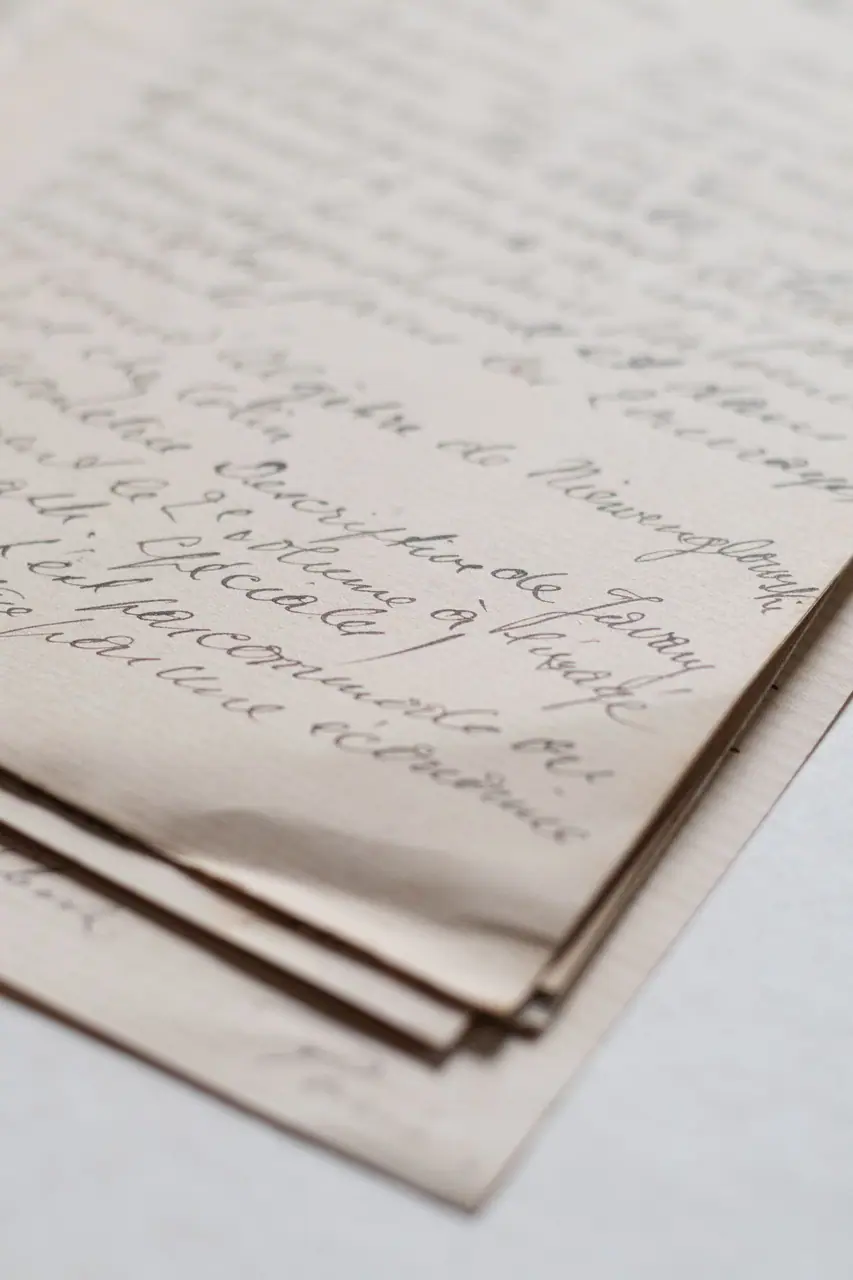
If you have listened to Urdu music for any length of time you have heard ghazals, whether or not anybody told you that is what they were.
It is worth five minutes to know what you are listening to.
The shape of it
A ghazal is a set of couplets. Each couplet is two lines, and here is the unusual part: each one stands completely on its own.
There is no plot. Couplet four does not continue couplet three. You can take any one of them out and it still works, which is why individual lines from ghazals end up quoted by people who have never heard the song.
The two things that hold it together
Not a story, then. Two sounds:
- the radif — a word or short phrase repeated at the end of every couplet
- the qafia — the rhyme that lands just before it, every time
So the listener is not following a narrative. They are waiting for a sound they already know is coming, and the pleasure is in how the poet gets there.
The form tells you the destination. The whole art is the route.
Why it suits this music
Because heartbreak is not a story either. It does not progress. It circles the same few thoughts and arrives at the same word every time, which is exactly what a radif does to a listener.
The form was doing that a thousand years before anybody put it over a tabla.
Where to start
Listen for the repeated word first. Once you have caught it you will hear the whole thing differently — you will notice yourself waiting for it, and that waiting is the song.
- ghazal
- urdu